
Fresh After-School Ideas to Spark Creativity and Confidence in Kids

Busy Cincinnati and Cleveland parents seeking after-school options know the daily squeeze: work pickup times, children’s extracurricular activities, and the pressure to choose something that feels safe, worthwhile, and doable. The hardest part often isn’t motivation, it’s sorting through enriching after-school programs while also juggling childcare logistics like trusted nannies, thorough screening, scheduling, and payroll. When the usual routines start to feel repetitive, it’s easy to worry kids are missing chances to explore what they’re truly curious about. A wider view of after-school choices can make it easier to support growth and broaden children’s horizons.
Understanding Alternative Learning After School
Alternative learning experiences are activities where kids learn by doing, tinkering, and trying ideas in low pressure ways. They support child development by building practical skills, independence, and creativity through choices that match a child’s interests and temperament. When you notice a decline in creativity, these kinds of experiences can be a simple way to bring imagination back into daily life.
This matters because not every child thrives in loud, competitive, or highly structured programs. When your childcare plan depends on a trusted, screened helper, flexible activities can fit real schedules and reduce after school stress. You get more confidence that the time feels meaningful, not just busy.
Think of it like a kids’ test kitchen at home. A calm child might prefer drawing, building, or coding in short bursts, while an energetic child may want movement plus creativity. Either way, they practice making decisions and finishing what they start.
Turn Doodles Into Stickers: A Low-Pressure Creative Project
One playful, hands-on idea: have your child design their own stickers. It starts with simple doodles, then they can tweak their drawings into something “ready to share,” which is a gentle way to practice creativity and self-expression without pressure. Stickers also make it easy to add a theme, think of a tiny after-school “club” around favorite characters, animals, or sports, or even a mini entrepreneurial project where they create sets for friends and family.
If you’d like a simple way to turn their ideas into printable sheets, an online sticker maker for custom sticker design lets kids (and parents) use templates, graphics, and text with easy drag-and-drop editing.
Outside-the-Box After-School Activities to Try This Month
If your kid’s afternoons are starting to feel like the same loop, a small “creative switch-up” can make a big difference. Here are a dozen unconventional after-school activities you can rotate through, each one builds confidence by helping kids make, test, share, or serve.
Make-and-Sell Mini Sticker Sets: Use the doodle-to-sticker idea from earlier, but add one extra step: create a themed “set” of 6–10 stickers (sports, pets, funny sayings). Kids practice refining ideas, taking feedback, and finishing a product, then you can “sell” sets at home for pretend money or trade them for privileges. Keep it low-pressure by limiting it to one 30–45 minute session a week.
Reverse-Engineering Art (Copy, Then Remix): Pick one favorite illustration style (comic panel, nature sketch, simple logo) and have your child copy it once, then remix it twice with their own twist. This builds visual vocabulary and shows them that creativity often starts with studying what you like. Save the remixes in a folder so they can see progress over a month.
Kitchen Chemistry Taste Lab: Choose one snack (trail mix, smoothies, popcorn seasoning) and run a “taste test” with 3 variations. Kids learn basic experimenting: change one variable, record results, and name the “winning formula.” It’s STEM exploration after-school without special supplies, and it naturally encourages careful measuring and note-taking.
Build a “Fix-It” Tinker Tray: Set out a small bin with safe odds-and-ends (cardboard, tape, rubber bands, paper clips, string, recyclables) and give one weekly prompt: “make a phone stand,” “build a marble run,” or “design a pet toy.” Tinkering teaches planning and iteration, kids learn that the first draft is supposed to be messy. If you have a nanny or family assistant, ask them to keep the tray stocked and run a 20-minute “design sprint” before homework.
One-Person Podcast or Micro-Blog: Help your child pick a tiny topic and schedule (two minutes of audio once a week, or one short post with a photo). The goal isn’t perfect production, it’s organizing thoughts and communicating clearly. A simple structure works well: “What I tried / What surprised me / What I’d change next time.”
Language Learning With a Real-World Mission: Instead of random vocab, assign a mission like “order in Spanish at home” or “teach the family 5 phrases at dinner.” Kids remember language better when it’s used for something meaningful, and they get a confidence boost being the “teacher.” Make flashcards from their own sticker art or doodles for extra buy-in.
Volunteer Micro-Projects (Service in Small Bites): Try 30–60 minute projects: writing cards for a senior center, assembling snack bags, or doing a neighborhood clean-up with gloves and a timer. Community connection is a powerful confidence builder, and some data even links participation in educational after-school activities with a 4 percent decrease in juvenile crime rates. Keep it consistent by choosing one repeating project each month.
These ideas work best when they’re easy to trial, easy to stop, and easy to fit around real family schedules in Cincinnati and Cleveland, especially when you’re also thinking about supervision, safety, and budget.
Quick Answers for Busy After-School Planning
Q: What are some unique after-school activities that can help broaden my child's creativity and interests?A: Try “mini experiments” that are easy to sample, like a one-day neighborhood photo scavenger hunt, a kitchen taste-test challenge, or a build-from-recyclables prompt. Keep the first try short and specific so success feels reachable. If your child lights up, repeat it weekly and slowly add complexity.
Q: How can I find activities that keep my child engaged without adding too much to our already busy schedule?A: Use a two-slot plan: one 20-minute creative sprint on weekdays and one longer session on the weekend. Pick options with simple setup and cleanup, then set a timer so it does not sprawl. If you rely on childcare or household help, share a one-page routine and safety rules so supervision stays consistent.
Q: What are some fun ways to introduce STEM or the arts to my child outside a traditional classroom setting?A: Link it to real life: measure ingredients to “engineer” the best smoothie, sketch a pet from three angles, or build a paper bridge that holds coins. A low-cost notebook for drawings, hypotheses, and results makes it feel special without being expensive.
Q: How can alternative after-school activities help reduce my child's screen time and encourage real-world skills?A: Choose hands-on tasks with a tangible finish, like making greeting cards, organizing a donation box, or recording a two-minute audio reflection. It helps to name a clear endpoint and put devices in a charging spot during that window. Knowing that 80% of their middle and high school-age children participate in at least one activity can reassure you that structured options are realistic, but home-based projects count too.
Q: How can I create personalized, fun rewards or incentives for my child’s after-school projects and hobbies?A: Tie rewards the effort and follow-through, not perfection, such as “finished three tries” or “asked for feedback once.” Use small, personal perks like choosing dinner music, picking a family game, or earning craft supplies under a set budget. For sticker-making projects, it can also help to compare print-friendly sticker design tools side-by-side before you commit.
A Nanny Can Spark Creativity and Ease After-School Worries
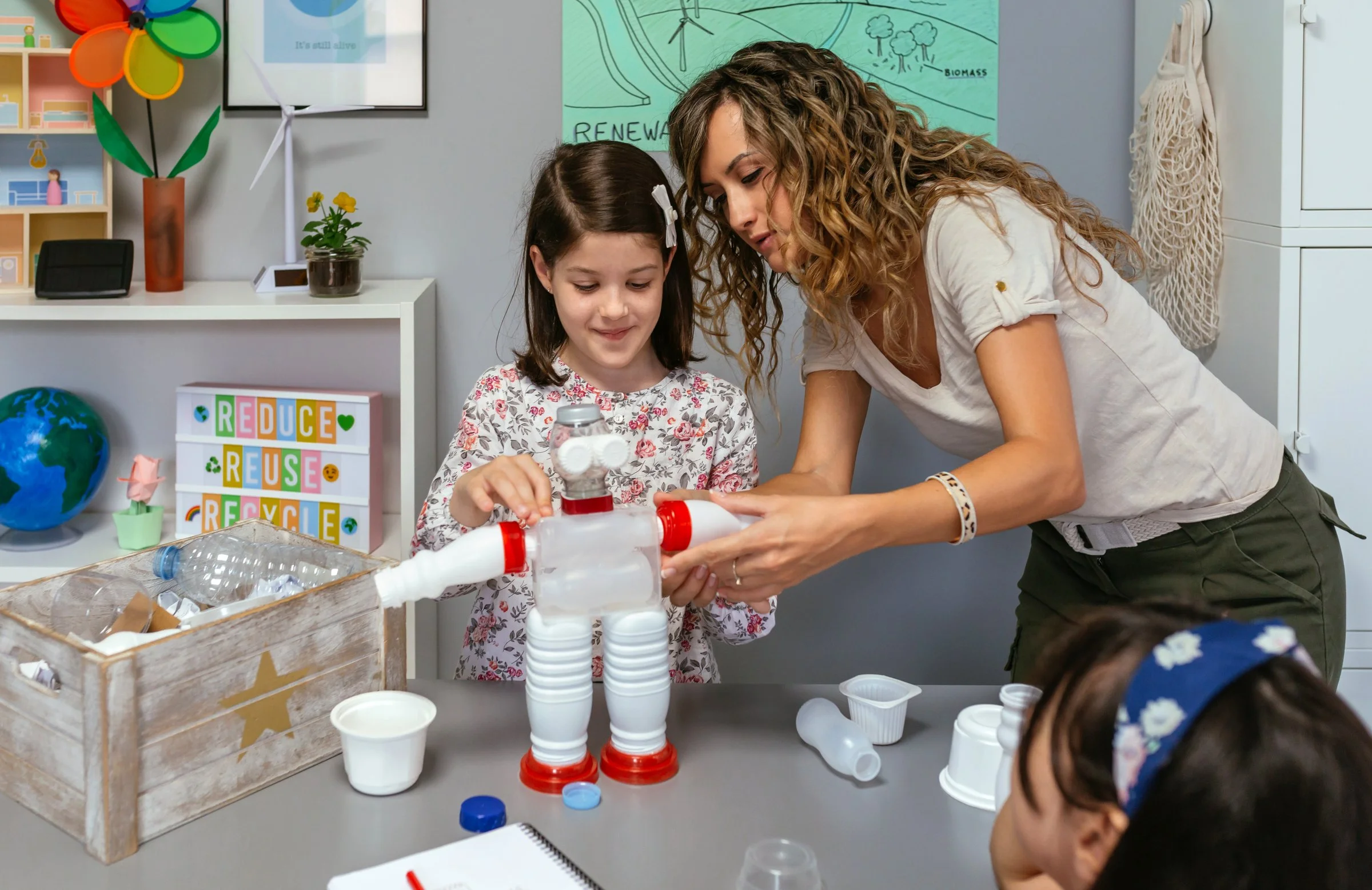
A trusted nanny can be one of the most effective ways to bring these creative ideas to life consistently. Rather than leaving after-school enrichment to chance, a dedicated caregiver can run the tinker tray, guide the taste-test lab, or sit alongside your child during a sticker-making session—turning one-off activities into a reliable routine. For Cincinnati and Cleveland families, finding the right fit starts with the right agency.Hunny Nanny specializes in matching families with thoroughly screened, part-time nannies who can support not just logistics but genuine engagement and creativity in your child's after-school hours.
One New After-School Choice That Builds Creativity and Confidence
After school, it’s easy to feel pulled between schedules, budgets, and the worry of picking the “right” thing. The steadier approach is simple: lean on supportive parenting strategies, keep personalizing after-school choices to fit the child in front of you, and make room for encouraging creative play alongside new skills. When families try a mix of options, the benefits of diverse activities show up as motivating children’s learning, growing confidence, and more flexible, joyful problem-solving. Choose one small activity, follow your child’s curiosity, and let consistency do the rest. Pick one new after-school idea to try this week and invite your child to help shape it. Those small choices build resilience, connection, and a sense of “I can do hard things” that lasts well beyond the school year.
