
The Importance of Consistent Care for Child Development

Consistency is one of the quiet forces shaping childhood.
It doesn’t announce itself loudly or show up wrapped in milestones. Instead, it lives in the everyday rhythms of a child’s life—the familiar face that greets them each morning, the predictable way their needs are met, the calm presence that remains steady even as the world around them changes.
For families in Cincinnati, Cleveland, and Columbus, where busy schedules, work demands, and seasonal shifts often pull daily life in many directions, consistent care becomes more than a convenience. It becomes foundational.
What Consistent Care Really Means
Consistent care is not about perfection. It is about reliability.
It means a child knows who will be there for them. It means routines feel familiar rather than fragile. It means emotional responses are met with understanding instead of unpredictability.
Parents often describe consistency as the thing they crave most for their children—especially after periods of transition. In parenting communities, families regularly share how changes in caregivers, schedules, or environments can disrupt a child’s sense of security far more than expected.
Children thrive when the world feels understandable. Consistent care helps create that understanding.
Why Children Depend on Predictability
From infancy through early childhood, the brain is developing at a remarkable pace. During this time, children are constantly learning how to interpret the world:
Is it safe?
Is it responsive?
Can I trust the people around me?
When care is consistent, children receive the same emotional cues day after day. They learn what to expect—and that expectation builds confidence.
Parents in toddler-focused forums often discuss how disruptions in routine can lead to increased anxiety, sleep struggles, or behavioral changes. These conversations reinforce how deeply children rely on predictability to regulate their emotions.
Consistency does not eliminate challenges—but it helps children navigate them.
Emotional Security Begins With Familiar Care
Emotional development is rooted in relationship.
Children develop emotional regulation not in isolation, but through repeated interactions with caregivers who respond in steady, attuned ways. When the same caregiver shows up consistently, children learn that emotions are safe to express and manageable to experience.
In parenting forums, many families reflect on how their children form deeper emotional bonds when care is stable. Parents often note improved communication, fewer meltdowns, and greater confidence when their child knows exactly who is caring for them each day.
This sense of emotional security becomes the foundation for resilience later in life.
Consistency and Early Learning Go Hand in Hand
Learning does not happen only through activities or lesson plans—it happens through relationship.
When a caregiver understands a child’s cues, interests, and developmental stage, learning becomes intuitive. The caregiver knows when to challenge and when to comfort, when to encourage independence and when to step in.
In working-parent communities, families frequently discuss how in-home caregivers provide continuity that supports both emotional growth and learning. These discussions often highlight how children flourish when the same person supports them day after day.
Consistent care allows learning to unfold naturally, without disruption.
The Impact of Caregiver Turnover on Children
Change is sometimes unavoidable—but frequent caregiver changes can be difficult for young children.
Each new caregiver brings different expectations, communication styles, and routines. For children, this can feel disorienting. Even when caregivers are kind and capable, inconsistency can create emotional fatigue.
Parents often share in online discussions how their children struggle after repeated transitions in care—becoming withdrawn, anxious, or resistant to separation. These shared experiences highlight how deeply children are affected by instability.
Consistency offers children a sense of continuity that helps them feel grounded.
Why In-Home Care Supports Consistency
In-home care naturally supports consistency because it centers the child’s environment around familiarity.
The home remains the same. The routines are built around the family’s rhythm. The caregiver becomes part of the child’s daily world rather than a rotating presence.
For families in Cincinnati, Cleveland, and Columbus, in-home care also offers stability during:
Weather disruptions
School schedule changes
Illness or recovery periods
Work-from-home transitions
This continuity supports both emotional and developmental well-being.
Consistent Care Benefits Parents, Too
When children feel secure, parents feel it as well.
Parents often describe a noticeable shift when consistent care is in place: mornings feel calmer, evenings feel more connected, and decision-making feels less reactive.
In working-mother forums, many parents reflect on how consistent childcare reduces daily stress and mental load. Knowing their child is with a trusted, familiar caregiver allows parents to be more present—both at work and at home.
Consistent care supports the entire family system.
Consistency Helps Children Through Transitions
Life is full of transitions—new siblings, new schools, seasonal changes, and developmental leaps.
When care remains consistent during these transitions, children have an anchor. They may still experience big emotions, but they experience them with support.
Parents frequently share online that children cope better with change when at least one part of their world remains steady. That steadiness often comes from a consistent caregiver.
Consistency does not prevent change—it makes change manageable.
The Role of a Professional Nanny in Consistent Care
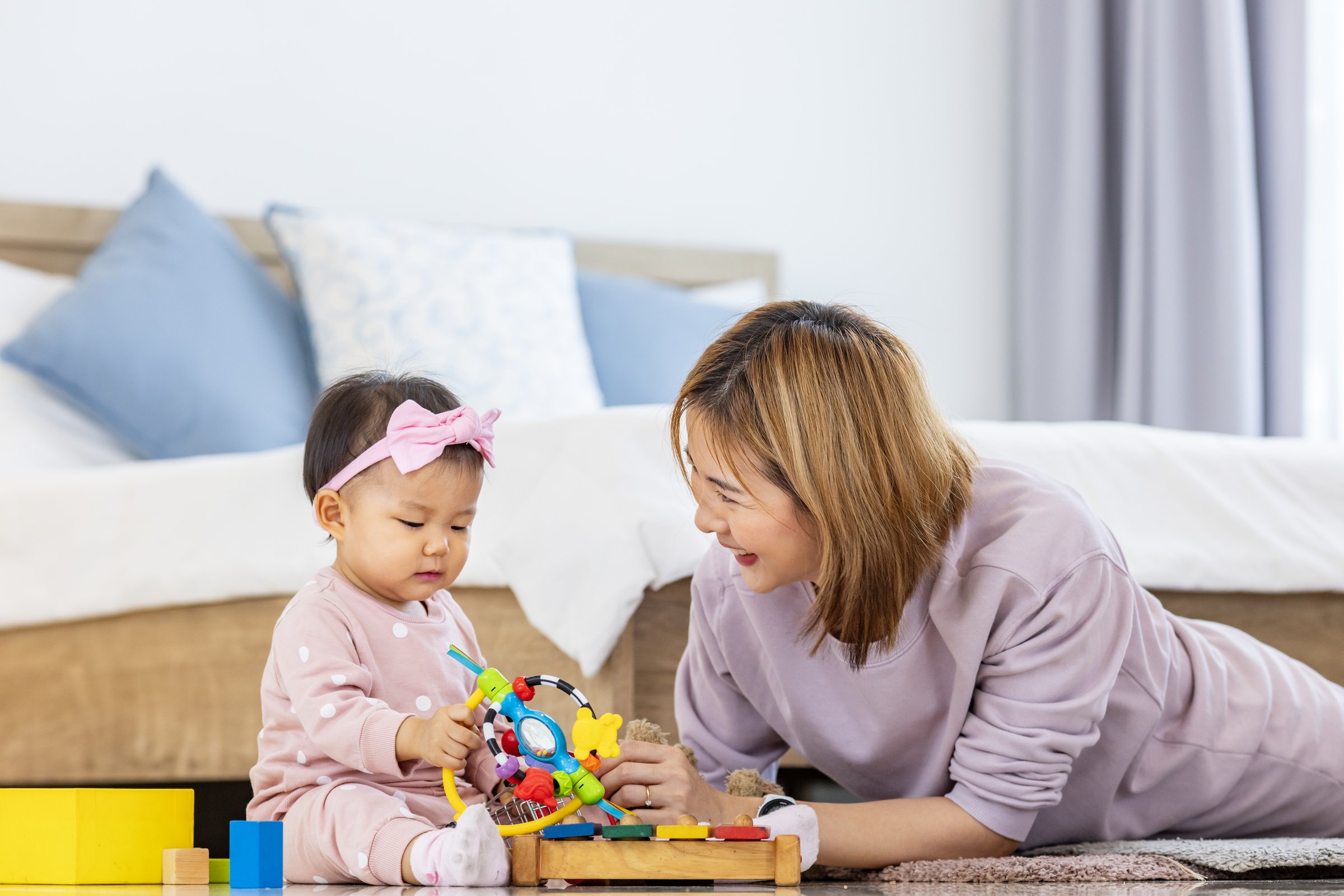
A professional nanny provides more than supervision. They provide continuity.
A nanny learns a child’s rhythms, preferences, and emotional language. Over time, the relationship deepens. The caregiver anticipates needs rather than reacting to them.
Nannies themselves often discuss how consistency allows them to support children more meaningfully. In nanny-focused communities, caregivers share that long-term placements enable stronger bonds and better developmental support.
This relationship becomes a partnership rooted in trust.
Local Families, Local Needs
Families in Cincinnati, Cleveland, and Columbus face unique rhythms shaped by Midwest seasons, school systems, and work environments.
Consistent care allows families to navigate:
Winter weather disruptions
Hybrid work schedules
School closings or delays
Busy professional demands
Local understanding matters when building stable childcare solutions.
Consistency Is an Investment in Development
Consistent care is not about convenience—it is about development.
It supports:
Emotional regulation
Secure attachment
Cognitive growth
Social confidence
Family well-being
When children feel safe, they grow with confidence. When care is steady, development unfolds more naturally.
How Hunny Nanny Agency Supports Consistent Care
At Hunny Nanny Agency, we believe consistent care changes lives—quietly and profoundly.
We proudly serve families and nannies in Cincinnati, Cleveland, and Columbus, focusing on thoughtful, long-term placements that prioritize stability and trust.
We support:
Families seeking reliable, consistent in-home care
Nannies looking for respectful, long-term placements
Ongoing guidance to ensure successful relationships
Our approach centers on connection—because consistent care begins with the right match.
Whether you are a family hoping to support your child’s development through stable care, or a nanny seeking a meaningful placement, Hunny Nanny Agency is here to help.
Consistency matters.
And we are honored to help families and caregivers build it—together.
