
Winter Safety Checklist for Families and Nannies
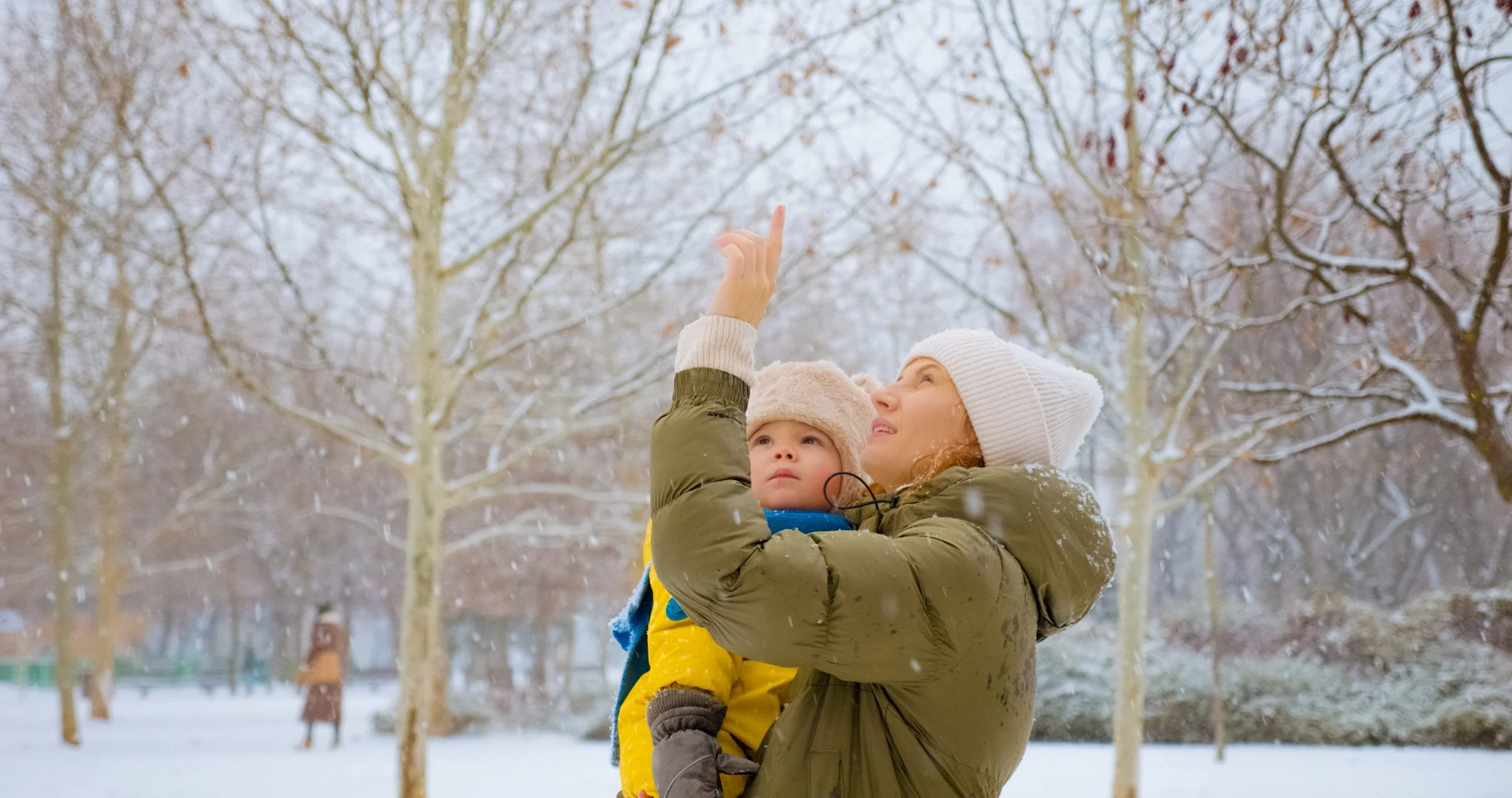
Winter brings its own magic—snow falling softly, sparkling icicles, cozy nights with hot chocolate. But along with the beauty of the season comes its challenges: icy sidewalks, short days, dry skin, and curious little ones who want to explore it all.
Whether you’re a parent juggling schedules or a nanny guiding a child through their day, winter safety isn’t just about avoiding slips and bumps—it’s about creating an environment where children can thrive, learn, and enjoy the season with confidence and care.
This checklist is designed to help families and nannies navigate winter hazards while keeping children safe, engaged, and happy.
Why Winter Safety Matters
Every season has its risks, but winter combines environmental hazards with behavioral challenges. Shorter days mean less sunlight, colder temperatures can be harsh on young bodies, and indoor activities sometimes bring their own surprises.
According to the American Academy of Pediatrics, winter hazards include:
Slippery surfaces leading to falls
Frostbite or hypothermia from improper clothing
Carbon monoxide exposure from heating systems
Household injuries from indoor winter activities
Safety isn’t about fear—it’s about preparation. Being proactive allows children to enjoy winter with freedom, curiosity, and minimal risk.
1. Outdoor Safety First
Even when the temperature dips, kids love to play outside. Nannies and parents should keep the following in mind:
Layer up properly: Use moisture-wicking base layers, insulating mid-layers, and waterproof outer layers. Don’t forget hats, gloves, and warm socks. (CDC Winter Safety Tips)
Footwear matters: Non-slip boots can prevent falls on ice and snow. Traction devices or cleats can be helpful in extreme conditions.
Sunscreen in winter: Sun reflects off snow and can burn exposed skin. (Skin Cancer Foundation – Winter Sun Safety)
Clear paths: Shovel walkways and sprinkle sand or salt to prevent ice slips. Keep a safe area for children to play away from driveways and streets.
Supervision during sledding or skating: Watch for hidden obstacles under the snow, and make sure kids wear helmets for sledding or ice skating.
2. Travel & Transportation Safety
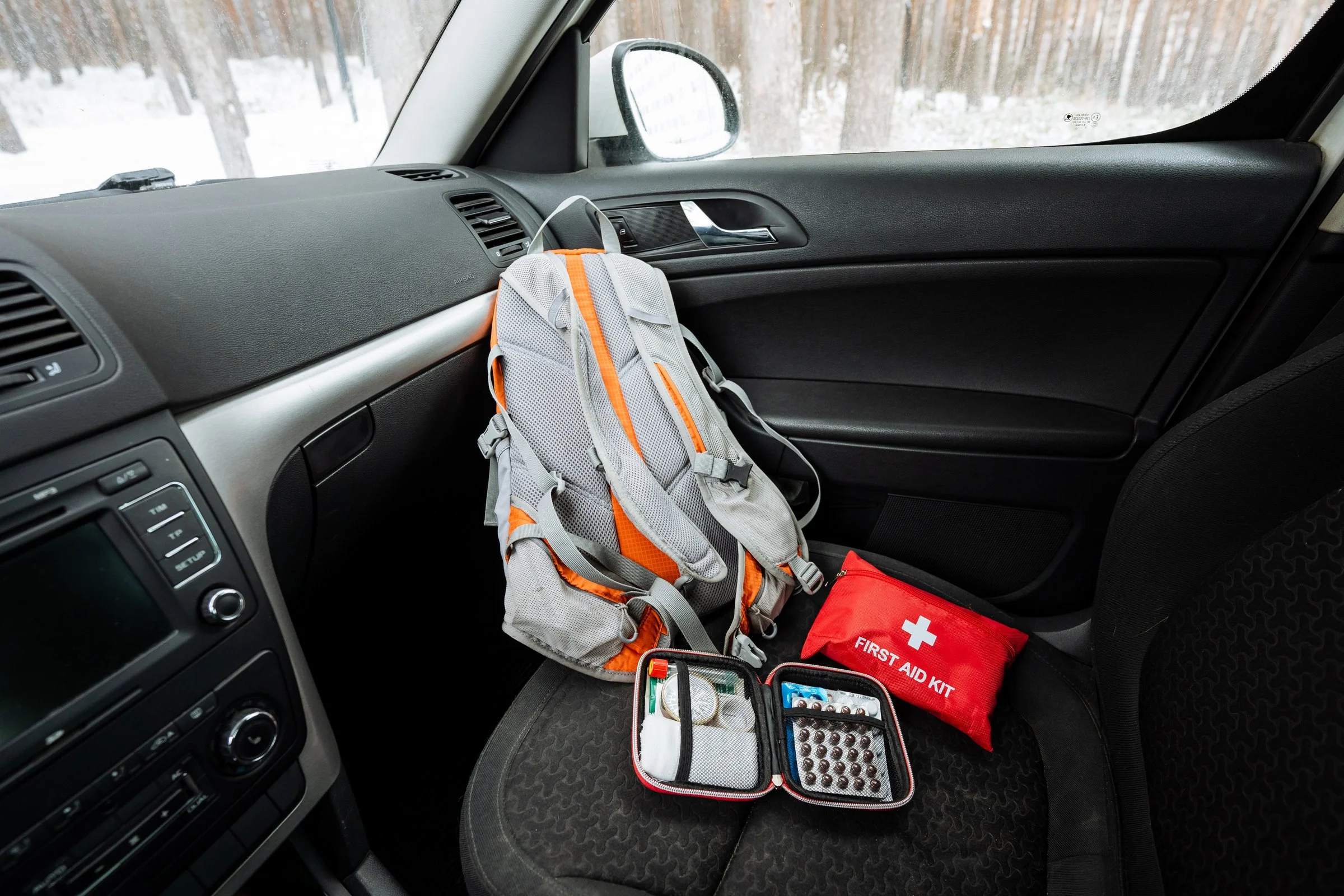
Winter driving or walking can be tricky. Whether a nanny is transporting children or parents are commuting, preparation is key:
Check the car: Ensure tires are winter-ready, brakes are checked, windshield wipers are functional, and windshield washer fluid is full. (NHTSA Winter Driving Tips)
Car seat precautions: Cold temperatures can make harnesses stiff or bulky clothing interfere with snug car seat fit. Check fit each trip.
Emergency kit: Include blankets, water, snacks, first aid kit, flashlight, and small toys to keep kids comfortable in case of delays.
Safe drop-offs/pickups: Avoid slippery areas, carry children if necessary, and plan extra travel time to reduce rushing.
3. Indoor Safety & Comfort
Winter means more time indoors, which brings its own hazards:
Heating safety: Keep space heaters away from flammable items, and never leave them unattended. Check central heating and furnaces for safe operation. (NFPA Winter Safety)
Carbon monoxide awareness: Install detectors and check batteries. Carbon monoxide can be invisible and deadly. (CDC Carbon Monoxide Safety)
Dry skin & hydration: Use humidifiers to combat dry indoor air. Encourage children to drink water even if it’s cold.
Avoiding clutter hazards: Toys, blankets, and craft materials can become tripping hazards in winter cozy zones. Keep play areas organized.
4. Winter Illness Prevention
Cold weather can bring flu, colds, and other illnesses:
Hand hygiene: Regular hand washing or sanitizer reduces germ spread.
Cough etiquette: Encourage children to cover mouths with elbows when sneezing or coughing.
Vaccinations: Flu shots and other recommended vaccines keep children healthy.
Balanced indoor activities: Avoid high-density gatherings indoors when children are sick; mix quiet individual play and group activities.
5. Emergency Preparedness
Winter weather can be unpredictable. Families and nannies should have a plan:
Emergency contacts: List family members, doctors, neighbors, and 911 in case of sudden illness or accident.
Snow or ice plans: Know local alerts and weather advisories; have alternative childcare or transportation ready if roads are dangerous.
First aid skills: Refresh CPR, first aid, and choking response knowledge.
6. Fun & Safe Indoor Winter Activities
Safety doesn’t mean boredom. Here are activities that engage children while minimizing risk:
Crafting and art projects (supervised glue, scissors, glitter) (
Sensory bins (rice, pasta, safe water beads)
Baking simple treats (with parental or nanny supervision)
Movement indoors (yoga, dancing, obstacle courses in safe spaces)
Reading & storytelling corners with cozy blankets and hot chocolate
7. Nanny-Specific Safety Tips
Nannies play a critical role in winter safety:
Know the family’s emergency plan: This includes preferred pediatrician, allergy information, and home exit strategy.
Check clothing and gear: Ensure children are dressed for outdoor weather, including hats, gloves, and boots.
Supervise high-risk areas: Stairs, icy driveways, kitchens, and craft zones need extra attention.
Model safe behavior: Wearing seatbelts, following indoor rules, and demonstrating proper clothing layering teaches children safety habits.
Document concerns: Communicate with parents about near-misses, accidents, or behavior changes that could indicate health issues.
8. Creating a Winter Safety Routine
Routine helps children feel secure and reduces risk. Consider:
Morning check-in: Weather check, clothing review, activity plan.
Outdoor safety briefing: Remind children about slippery areas and boundaries.
Indoor transitions: Set up play zones, clear clutter, monitor sensory and craft play.
Evening wrap-up: Review incidents, tidy toys, check clothing and skin for dryness, plan next day’s weather-appropriate gear.
A daily rhythm normalizes safety without making children fearful. They learn to anticipate hazards and develop independence within safe boundaries.
9. Bonus: Tech & Online Safety in Winter
Indoor time often means screens. Maintain balance:
Screen limits: Follow AAP guidelines for age-appropriate screen time
Educational content: Choose interactive learning apps or family-friendly shows.
Shared experience: Watch together, discuss content, encourage movement breaks.
Winter doesn’t have to mean passive TV watching—it can be an opportunity to mix learning, creativity, and social development safely.
Winter Preparedness is Love in Action
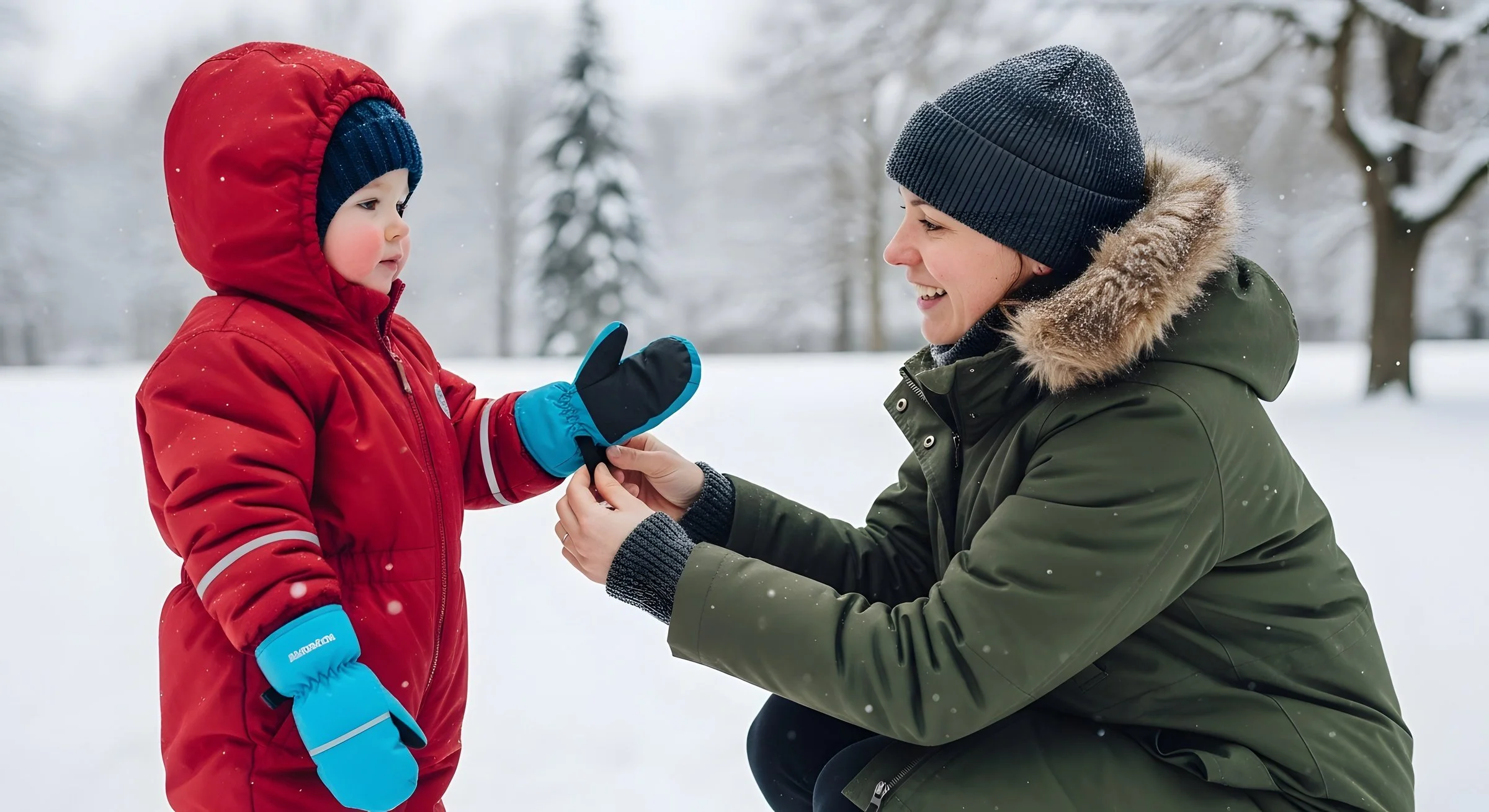
Winter safety isn’t just about preventing slips, frostbite, or illness. It’s a demonstration of care. When families and nannies proactively plan, communicate, and observe, children feel secure. They can explore, learn, and enjoy the season while remaining protected.
A safe winter is a season of freedom, curiosity, and growth.
How Hunny Nanny Agency Can Support Families and Nannies
Winter can be beautiful, magical… and overwhelming. That’s why Hunny Nanny Agency exists: to help families and nannies navigate every season with confidence.
We provide:
Guidance on winter safety routines, indoor & outdoor hazards
Support in planning winter activities that are fun and developmentally appropriate
Nannies trained in emergency procedures, first aid, and winter preparedness
Families with reliable, caring professionals who treat children with respect and warmth
Whether you need help structuring safe routines, hiring a winter-season nanny, or simply want expert advice, Hunny Nanny Agency is here to help. We partner with families to ensure children are safe, engaged, and thriving—even when snowflakes are falling outside.
Winter can be joyful, safe, and memorable. With preparation, care, and guidance, families and nannies alike can make this season one to remember.
