
Raising Independent Kids in a Highly Structured World: A Cincinnati Family Perspective
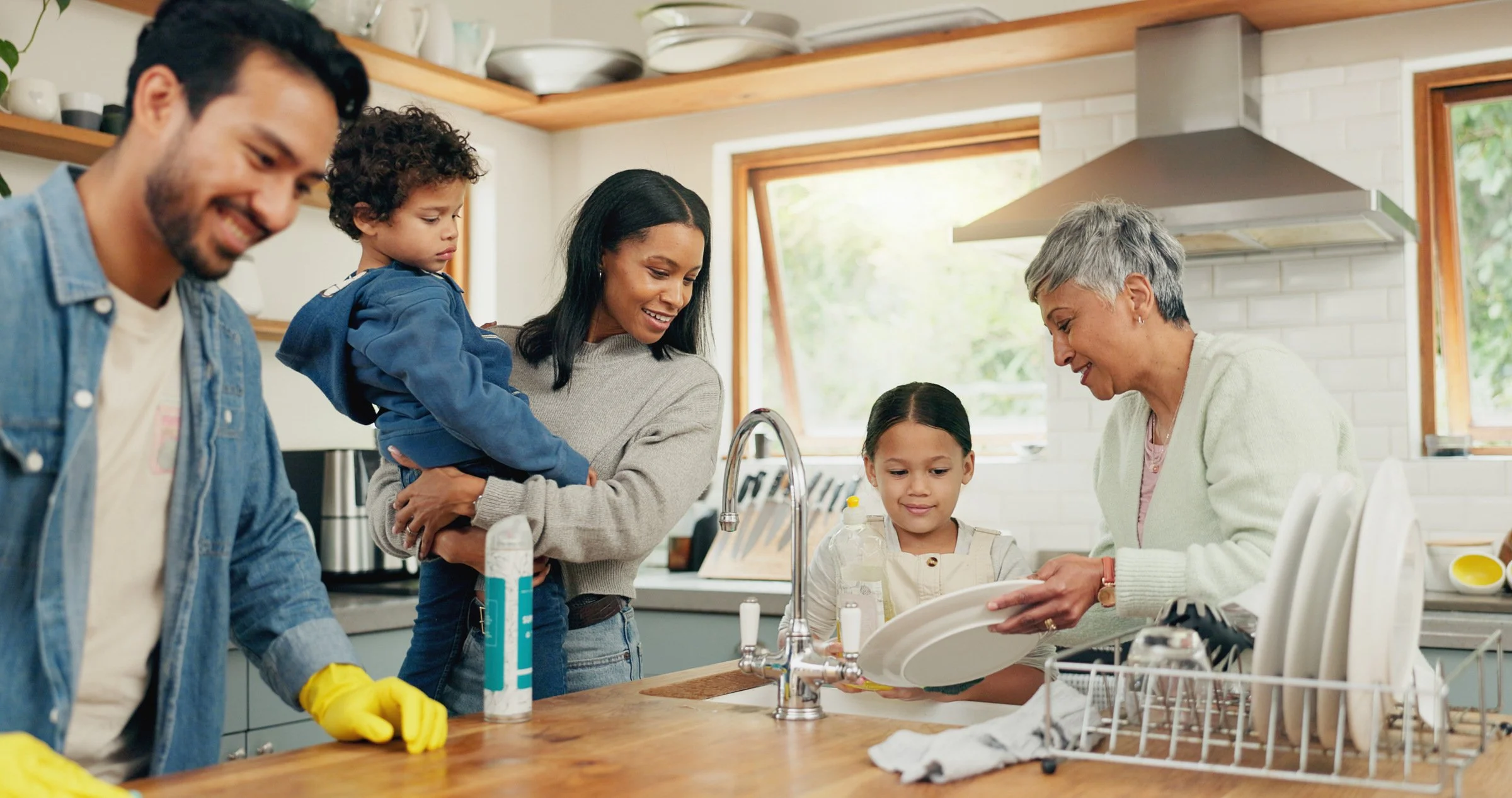
In homes across Cincinnati—from Indian Hill and Hyde Park to Blue Ash, Mason, and West Chester Township—there’s a quiet shift happening in how families are thinking about childhood.
On the surface, everything looks ideal.
The calendars are full.
The kids are thriving academically.
The activities are enriching and intentional.
But more parents—especially physician families balancing demanding careers—are beginning to ask a deeper question:
Are we raising independent children… or just highly scheduled ones?
Because somewhere between school, sports, tutoring, and structured enrichment, many families are realizing something important:
There isn’t much room left for children to simply be children.
When Structure Starts Replacing Space
Modern childhood in many Cincinnati homes is carefully designed.
A typical week might include:
school
after-school programs
sports practices
academic enrichment
music lessons
organized playdates
And while each of these experiences adds value, the cumulative effect can be subtle but significant:
children are constantly guided—but rarely self-directed.
This is something many families don’t notice until later—when children struggle with boredom, transitions, or unstructured time.
And it often leads parents to rethink not just schedules, but the entire rhythm of home life.
What Physician Families Are Quietly Experiencing
In physician households especially, structure becomes a necessity.
Long shifts, unpredictable schedules, and emotional demands make planning everything in advance feel like the only way to stay afloat.
But that same structure can unintentionally extend into childhood itself.
On Reddit parenting threads, one theme appears repeatedly:
“My kids are always busy, but they don’t know how to occupy themselves without direction.”
Another parent shared:
“We built a perfect schedule—but forgot to leave room for independence.”
This is where many families begin reconsidering how much structure is actually helpful—and how much might be limiting growth.
The Hidden Cost of Over-Scheduling
When every hour is planned, children lose opportunities to:
make independent decisions
experience boredom (a key driver of creativity)
resolve small conflicts on their own
explore interests without direction
build internal motivation
This doesn’t mean structure is harmful.
It means too much structure can unintentionally reduce independence-building moments.
And that’s where the conversation begins to shift—from scheduling more… to thinking differently about support.
Independence Isn’t About Doing Less—It’s About Doing Differently
One of the biggest misconceptions parents carry is that independence means children should “do everything on their own.”
But real independence looks different.
It looks like:
confidence in decision-making
comfort with unstructured time
resilience during boredom
emotional regulation without constant guidance
And those skills don’t come from more activities.
They come from space within daily life.
This is where the role of support becomes interesting—not as a way to increase structure, but as a way to balance it.
How Support Actually Builds Independence
Many families assume that bringing in help means adding more direction or oversight.
But in reality, the right support often does the opposite.
When families choose to hire a nanny through a nanny agency, they’re not adding control to the household—they’re redistributing it.
A professional nanny helps create:
calmer transitions between activities
less rushed daily rhythms
more room for unstructured play
consistent emotional support
stability during busy work schedules
We see this especially in how families manage both structure and flexibility in everyday life: Work-Life Balance for Cincinnati Families: How a Nanny Can Help
The Role of a Nanny in Building Everyday Independence
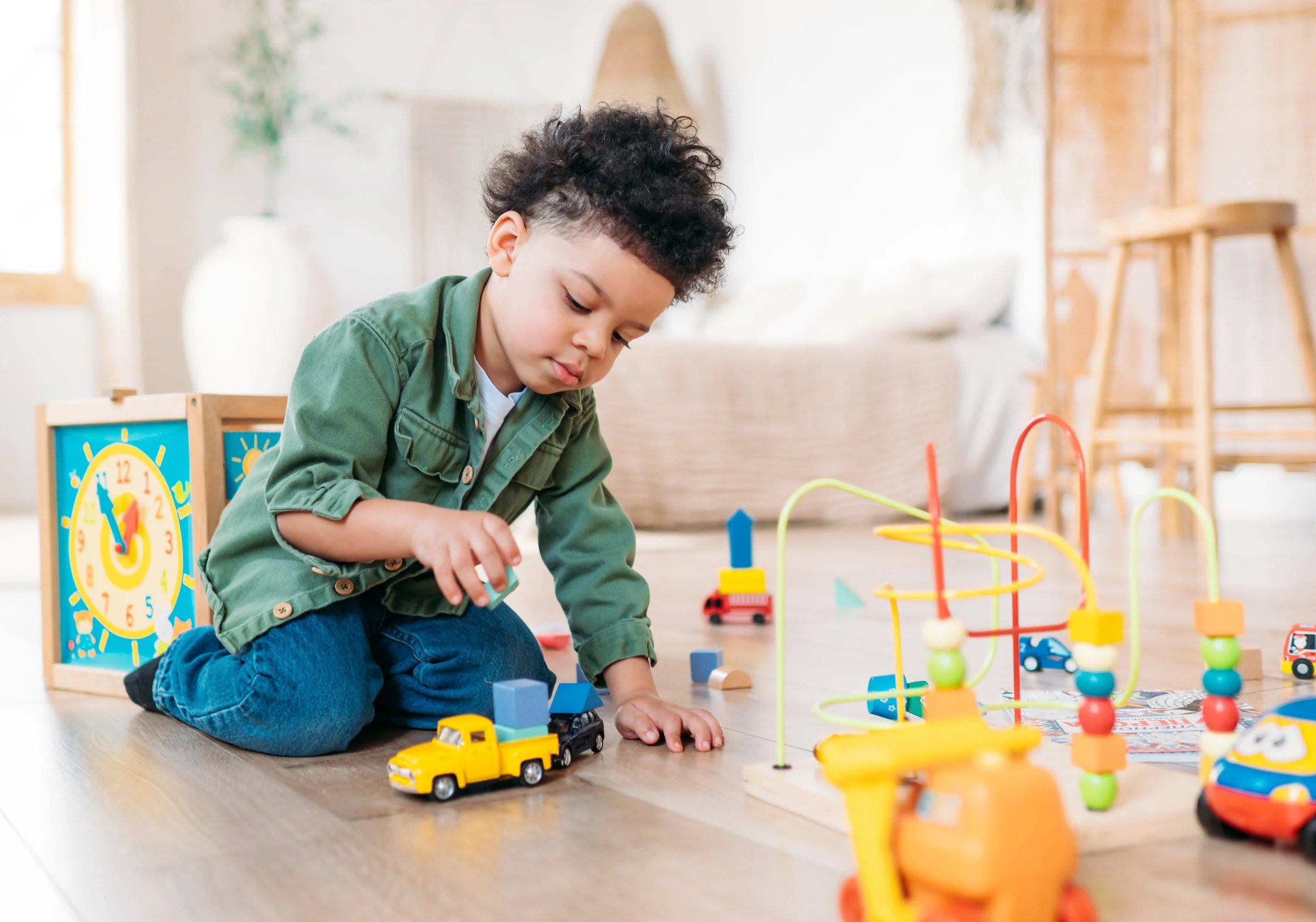
A strong nanny service doesn’t micromanage a child’s day.
Instead, they guide it in a way that allows children to grow into autonomy naturally.
This might include:
encouraging children to try before stepping in
allowing space for independent play
supporting decision-making instead of directing every step
maintaining routines without rigidity
creating calm, predictable environments
And just as importantly, they help children learn independence through real-life moments—not structured lessons.
Even everyday outings and transitions become opportunities for growth: The Role of a Nanny in Family Outings and Trips — And How to Compensate Them Fairly
Structure Still Matters—But So Does Flexibility
The goal is not to eliminate structure.
Structure provides safety, predictability, and stability.
But when structure becomes too dominant, children lose opportunities to develop internal guidance.
That balance is where the right support system matters most.
For many families, especially those juggling demanding careers, this is where a professional nanny becomes essential—not for more control, but for more flexibility.
Why This Matters So Much in Cincinnati
Across Cincinnati, particularly in neighborhoods often considered the Cincinnati best neighborhoods, families are rethinking what “successful childhood” actually looks like.
It’s no longer just about achievement or exposure.
It’s about capability.
Can children:
think independently?
adapt to change?
handle boredom without stress?
manage emotions without constant intervention?
These are the skills that matter long-term—and they develop through balance, not over-scheduling.
The Reality of Modern Parenting Pressure
Many parents today feel caught between two competing goals:
providing every opportunity
protecting emotional space for their children
And trying to do both alone often leads to burnout.
That’s why many families begin exploring structured support systems—not to reduce parenting, but to make it more sustainable.
We explore this dynamic further here: Why Delegating Childcare Is a Smart Investment—Not a Luxury
What Changes When the Home Becomes More Balanced
When families bring in the right support—often by working with a nanny agency to find a nanny—the changes are not just logistical.
They are emotional.
Homes often become:
calmer
less rushed
more predictable
more emotionally available
And children begin to:
play independently more often
transition more easily
express confidence in their choices
rely less on constant direction
It’s not about doing less for children.
It’s about doing things in a way that allows them to grow into themselves.
The Bigger Picture: Childhood Is Still Being Shaped
What’s becoming clear in many Cincinnati households is this:
Independence doesn’t happen automatically in structured environments.
It has to be intentionally protected.
And that often requires rethinking not just schedules—but systems of support.
Because when parents are cstretched thin, even the best intentions can lead to over-structuring.
Hunny Nanny Agency
For families across Cincinnati—especially those balancing demanding careers and structured childhood schedules—creating space for independence starts with the right support system at home.
Hunny Nanny Agency connects families with experienced, professional nanny placements who understand how to bring balance, flexibility, and calm into modern households.
If you’re ready to hire a nanny who can support both structure and independence in your home, the right nanny service can make all the difference.
