
Confidence Isn’t Built in Activities - It’s Built in Everyday Moments
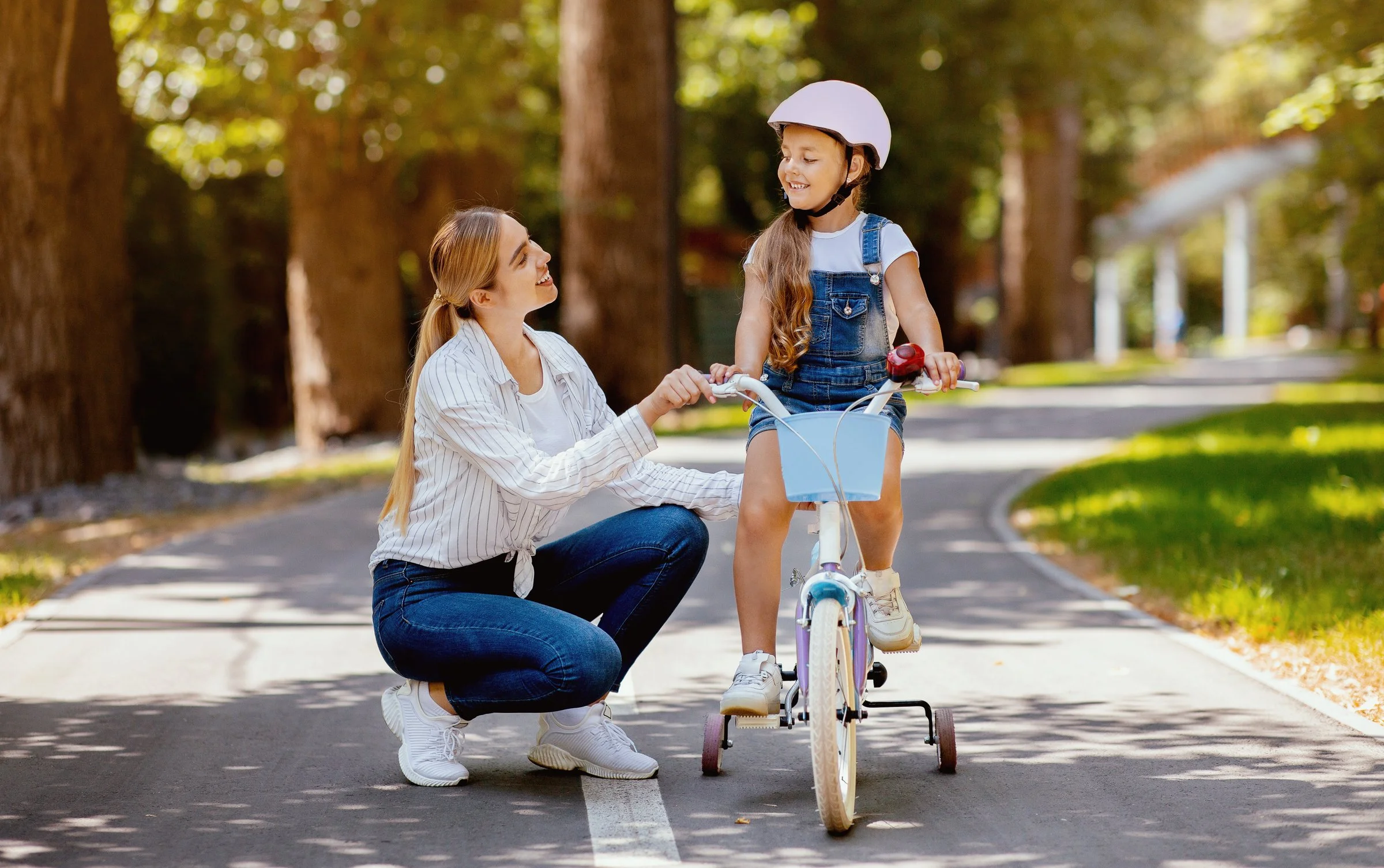
In homes across Cleveland—from Shaker Heights and Cleveland Heights to Rocky River, Westlake, and Beachwood—many parents are doing everything they can to raise confident, capable children.
The schedules reflect it.
Sports.
Music lessons.
Tutoring.
Enrichment programs.
Every opportunity is there. Every box is checked.
And yet, many parents are quietly noticing something that doesn’t quite match the effort:
Confidence isn’t showing up the way they expected.
Because confidence doesn’t come from how much a child does.
It comes from how much a child gets to experience on their own.
The Subtle Shift in Modern Childhood
Childhood today is more structured than ever.
For many families balancing demanding careers, structure feels necessary. It creates predictability, keeps everything running smoothly, and ensures nothing important gets missed.
But in many Cleveland households, structure has slowly expanded beyond what children actually need.
What used to be:
after-school downtime
neighborhood play
unplanned afternoons
Has been replaced with:
scheduled activities
guided learning
adult-led engagement
And while all of this is well-intentioned, it can unintentionally remove one critical ingredient in building confidence:
space to figure things out independently.
What Confidence Actually Looks Like in Children
Confidence is often misunderstood.
It’s not just:
performing well in activities
excelling academically
being outgoing or social
True confidence looks more like:
trying something new without fear of failure
navigating boredom without frustration
solving small problems independently
making decisions without constant reassurance
recovering from mistakes without shutting down
These are not skills children learn in structured environments alone.
They are built in everyday, unscripted moments.
What Cleveland Parents Are Starting to Notice
Across busy households and parenting communities, a common realization is emerging:
Children can be highly scheduled and still feel uncertain when left to navigate moments on their own.
Parents often describe situations where children:
constantly ask what to do next
struggle with unstructured time
rely heavily on adult direction
This isn’t a lack of effort from parents—it’s often the result of over-structured childhoods that unintentionally limit independence.
The Missing Piece: Everyday Ownership
Confidence grows when children feel ownership over their day-to-day experiences.
That can look like:
choosing how to spend free time
figuring out how to solve small problems
making simple decisions without guidance
completing tasks independently
These moments don’t require special planning.
They naturally happen in:
quiet afternoons at home
transitions between activities
free play
everyday routines
But when schedules are packed, these opportunities often disappear.
Why Structure Alone Isn’t Enough
Structure provides value:
consistency
safety
predictability
But too much structure can unintentionally lead to:
dependence on adult direction
discomfort with boredom
reduced problem-solving ability
hesitation when making decisions
Children become excellent at following routines—but less confident creating their own path.
And that’s where confidence can plateau.
How Support at Home Changes Everything
This is where many Cleveland families begin to rethink support—not by removing structure, but by balancing it with independence.
Working with a nanny agency can help families create that balance at home.
A professional nanny doesn’t just manage schedules.
They shape the environment in a way that encourages independence.
That might include:
allowing children space for independent play
resisting the urge to over-direct every activity
encouraging age-appropriate decision-making
maintaining calm, consistent routines
This kind of support helps children develop confidence naturally through lived experience—not instruction alone.
Related reading:
The Role of a Nanny in Household Management: More Than Just Childcare
The Hidden Burnout of Working Parents (And How the Right Nanny Changes Everything)
The Power of Slowing Down Transitions
One of the most overlooked confidence-building opportunities happens between activities.
Transitions like:
school to home
activity to dinner
busy time to quiet time
When these moments are rushed, children rely entirely on adults to move them through the day.
But when transitions are calmer, children begin to:
reflect on their experiences
regulate emotions independently
make small choices on their own
These small pauses quietly build resilience and confidence over time.
Real-Life Moments That Build Confidence
Confidence isn’t built in big achievements.
It’s built in small, repeated experiences like:
building something without help
choosing how to play independently
working through conflict with a sibling
trying again after failure
helping with simple household tasks
These moments may seem minor—but they are where long-term confidence is formed.
Why This Matters for Busy Cleveland Families
In neighborhoods like Shaker Heights, Beachwood, and Westlake, families are often balancing demanding careers with intentional parenting.
Time is limited. Energy is stretched.
And the instinct is often to maximize enrichment opportunities.
But confidence doesn’t come from maximizing activity.
It comes from how children experience the time they already have.
This is why more families are turning to structured in-home support systems that create breathing room within the day.
👉 Related reading:
Letting Go of the Pressure to Do It All
One of the hardest shifts for parents is stepping back from the idea that they must manage every detail of their child’s development.
But children don’t need perfectly managed lives.
They need:
consistent support
emotional safety
space to try, fail, and grow
Sometimes, the most supportive thing a parent can do is create space rather than structure every moment.
What Changes When Confidence Starts to Grow
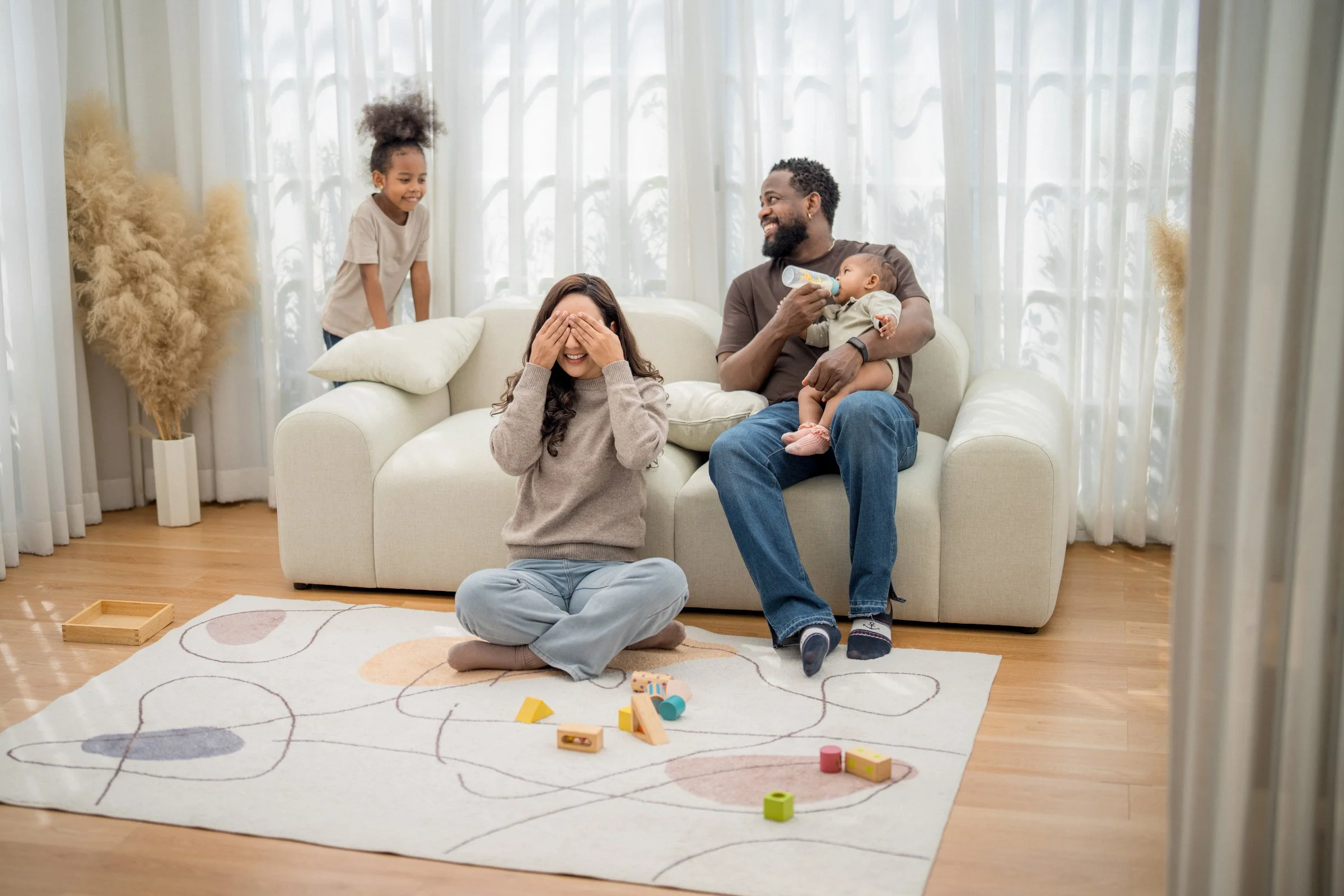
When children are given more space in their daily lives, changes often appear gradually:
they initiate activities more often
they tolerate boredom better
they handle transitions with less resistance
they recover from frustration more easily
they begin trusting their own choices
These are the foundations of long-term confidence and independence.
A Shift Happening Across Cleveland
Across Cleveland families, there is a growing awareness that childhood success is not just about exposure or achievement.
It’s about capability.
Raising children who can:
think independently
adapt to change
solve problems
trust themselves
And that kind of confidence isn’t built through structure alone.
It’s built in the everyday moments in between.
Hunny Nanny Agency
For families across Cleveland, creating that balance often starts with the right support at home.
Hunny Nanny Agency connects families with experienced professional nanny placements who understand how to support both structure and independence—helping children build confidence naturally in everyday life.
If you’re exploring ways to bring more calm, balance, and independence into your home, working with a trusted nanny agency can make a meaningful difference.
